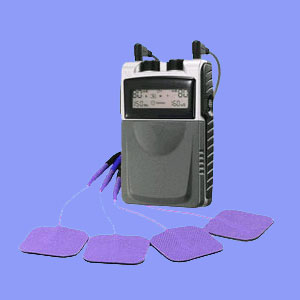
TENS for sciatica is a very popular complementary therapy used in conjunction with many other forms of conservative treatment. TENS stands for transcutaneous electrical nerve stimulation and is the most common form of electrotherapy used to treat back and leg pain. TENS offers an alternative to other common forms of symptom-targeting care, without many of the risks of drugs or injections.
This article details TENS treatment of sciatic nerve problems, including the positive and negative aspects of care. We will also look at the variety of TENS units which are available for home and professional use.
TENS for Sciatica Explained
TENS treatment consists of steady or pulsing doses of electricity delivered directly to the affected area, via small electrodes which are adhered to the skin. There are 2 different frequencies which are usually used, depending on the nature of the painful complaint: high frequency stimulation and low frequency stimulation.
TENS theoretically works by disrupting the neurological messages which signal pain. The charged currents provided by the treatment break up the nerve signals, which are also electrical in nature, before they can reach the brain.
TENS therapy is very controversial and is still not proven to work except by tons of anecdotal evidence. Regardless, it remains one of the most popular forms of sciatica treatment in use today.

TENS Electrotherapy for Sciatica
Electrotherapy seems to provide very case-specific and individualized results. Two patients with the exact same clinical pain profile might experience completely different results from the same program of TENS treatment.
Many doctors speculate that this is due to the individual nature of each person’s nervous system and how they are wired to send and receive nerve messages. Many other doctors simply write this off to the substantial benefits gained through the placebo effect often associated with this particular therapy. However, since the treatment is extremely profitable, it is widely embraced among care providers and is often an inherent aspect of combined care for sciatica pain.
TENS for Sciatica Experiences
I endured months worth of TENS treatments, under several different care providers. Many chiropractors love this therapy, since it allows them to spend 2 minutes putting the patient on the system and then frees them up for the 30 to 60 minutes the patient is receiving treatment. Obviously, this makes for a more efficient and profitable business. TENS equipment is low cost and makes a huge amount of profit for caregivers. Personally, I think this is one of the main factors which have encouraged its use over the past 20 years.
Well, like I said, I endured countless TENS sessions after my normal chiropractic adjustments and never saw any benefit from this treatment. It did not relieve any pain and if anything, made me very uncomfortable from sitting and getting shocked for an hour. I found it to be annoying. Eventually, I told all these doctors what they could do with these seemingly useless machines.

Despite my biting criticism of TENS units, I have met many patients who swear by them and even own a machine for home use. I guess there must be some benefit provided for some patients. I must have simply missed out, whatever it is.
Just remember, even at its most effective level, TENS is symptomatic treatment and will not cure anything. It is an aspirin, a bandage, a temporary solution: nothing more, and possibly, much less.