
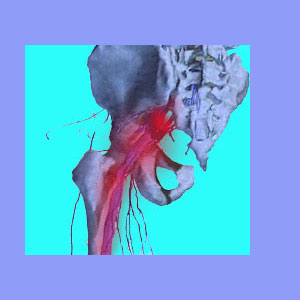
Obesity sciatica is an all too common side effect of being grossly overweight. Obesity is defined as being more than 20% over the recommended weight for a person’s height and build. Unfortunately, more and more people fit this description and in some countries, such as America, obesity is a national epidemic, affecting a considerable portion of the adult population and even many children. Currently in the US, more than 65% of adults are considered overweight and over 30% are defined as being obese.
This dialog will provide commentary on the inherent link between being obese and various significant health issues, including possible sciatica symptoms in the lower body.
Obesity Sciatica Explained
Sciatica is rarely caused exclusively by obesity, except in the most extreme cases. However, extra anatomical weight will perpetuate and aggravate other reasons which are sourcing the sciatic nerve pain. The backbone must hold up and support all that weight and this places abnormal and constant stress on the spinal structures, such as the intervertebral discs and vertebrae. All the joints in the lower body are also stressed by added weight, including the spinal facet joints, sacroiliac joints, knee joints and hip joints.
Obesity is the main reason behind advanced degenerative change in the spine, leading to premature disc degeneration and spinal osteoarthritis. Also remember that any additional pressure on sensitive neurological tissue is bound to cause escalated pain. Now picture 150 pounds of extra weight on a pinched nerve or painful disc. This is enough to disable virtually anyone.

It is crucial to know that obesity places a person at highly elevated risk for developing diabetes. It is also vital to know that diabetes sciatica is a common occurrence in many people with blood sugar regulation problems. However, compared to the more dire risks of diabetes, sciatica seems like a trifling consequence.
Sciatica and the Mindbody Process
Mindbody sources of treatment-resistant and chronic sciatica are certainly some of the most prevalent. There is often also a definite link between obesity and the emotional source of back pain. Often the eating habits of an obese individual are a defense or distractive mechanism from sensitive or even repressed emotional issues. Obese people are statistically more likely to be depressed and also suffer increased rates of other mindbody disorders, such as TMJ, carpal tunnel syndrome and chronic fatigue syndrome.
The cure for these conditions does not stop with losing the problematic weight. Instead, knowledge therapy must be instituted to get to the root source of the emotional issues which are creating the symptom imperative.
Obesity Sciatica Solutions
Losing weight is an obvious place to begin to treat sciatica due to being obese. You may require help with this process, so it is crucial to consult with your doctor and organize a plan of attack to ensure your success and good health.

Once you have begun to get back into shape, think about other things you can do to get your sciatica under control. Try to avoid symptomatic treatments, especially those involving sciatica drugs by mouth or injection.
Instead, try some alternative approaches, like exercise therapy and acupuncture to help you cope. I virtually always recommend integrating knowledge therapy into a combined care approach to deal with the psychological side of your pain and build a defense against future mindbody conditions which are likely to be linked to the emotional realm.