Reflexology for sciatica is an alternative treatment also known as zone therapy. Reflexology dates back to early Chinese medical practices founded over 5000 years ago and is also a crucial aspect of many other Eastern healing arts, such as Ayurveda. Reflexologists are not generally doctors and many have no medical credentials whatsoever. In most areas of the world, there is little, if any, regulation on the industry and some countries do not even consider it anything more than a spa treatment.
This article discusses the applications of reflexology for treating sciatica. We will help patients to better understand what reflexology is intended to do and prepare them to decide if this form of therapy might be worth considering, as part of a combined care regimen.
What is Reflexology?
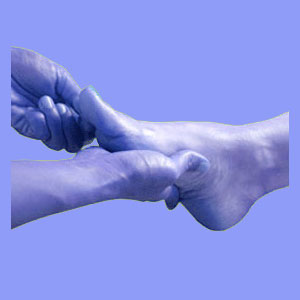
Reflexology is most commonly associated with the feet, but can also involve treatment on the hands and/or ears. The therapy system theorizes that zones on the hands, feet and ears correspond to different internal organs and anatomical locations throughout the rest of the body. Therefore, concentrating care on a particular area of the foot, hand or ear will enact some (hopefully beneficial) effect in the location of the body targeted for actual therapeutic treatment.
Sessions usually involve deep or superficial massage, including the application of lotions or oils in many cases.
Some practitioners use acupressure, or even acupuncture, in addition to massage to further stimulate the intended treatment zones.
Reflexology for Sciatica Treatment Details
The basis for reflexology is very similar to acupressure and acupuncture. The zone theory was a early incarnation of Chinese medicine and was later replaced with the better known, and still used today, theory of qi meridians.
Qi, also spelled chi or ki, is the lifeforce which supplies all parts of the body with energy to function. In the case of all these treatments, there are theorized blockages and other problems with this lifeforce and these issues require balancing treatment using reflexology, acupressure and/or acupuncture treatment.
Modern medicine generally dismisses these theories and treatments as unscientific and ineffective. However, reflexology continues to thrive in the complementary care sector and millions of patients swear by its efficacy.
Reflexology for Sciatica Verdict
I am not a believer in reflexology, but I do not dismiss it either. I have tried the therapy many times, as it is very common and socially practiced in Asia. I never found any benefit and did find many sessions to be incredibly painful.

My advice is to investigate this type of alternative therapy for what it is and not as a cure all, since that is what some providers claim it to be. If you are going to check it out, make sure to find a provider who will suit your needs, since over-aggressive therapists can make this a torturous experience, for sure.
Many people believe any benefit derived is simply due to psychoemotional placebo or imparted through the soothing and relaxing qualities of the massage itself. Either way, just do not buy into the hype without some diligent research or personal experience first.