
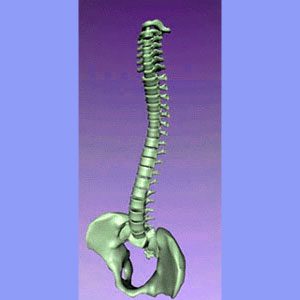
A sciatica bed is a potentially effective sleeping solution for treating nighttime lower back, leg and foot pain. Sciatica is usually relieved by lying down, but in some patients it can begin or worsen when reclining. While having a good mattress is important for general comfort and health, it is unlikely that any particular sleep surface will provide a cure for chronic sciatica.
This article details various sleep products and options which may be utilized to improve the quality and quantity of sleep, despite having severe sciatica pain. We will also discuss how poor bedding can actually contribute to various types of chronic pain.
Styles of Sciatica Bed
There are many sciatica mattresses available particularly for back pain relief, as well as for general use. The most common types of mattresses for sciatica include:
Traditional innerspring orthopedic mattresses are the industry standard. Theses types of bedding can be quite expensive and may be of limited use and finite lifespan. However, most patients are satisfied with the cost and comfort level of this type of bedding.
Tempurpedic is the most popular brand of high density memory foam. This alternative sleep surface can be used for entire mattresses or just mattress toppers. Name brand memory foam can be even more expensive than luxury innerspring bedding, while quality generics offer a comparable product at a fraction of the cost.

Futons are an Asian sleeping option which are very versatile and comfortable for many sciatica sufferers. The best are made of hand stitched cotton. Avoid cheap foam-filled futons, as these are poor quality and are not suitable for a primary sleep surface.
Sleep Number beds are an inflatable mattress option for people who like a variable firmness sleep surface.
Adjustable beds, such as the Craftmatic, are an option for some back pain sufferers. The added benefit here is the ability to get out of bed easier, as well as to use the bed to sit up or even work on a computer more comfortably. Adjustable beds are perfect for the elderly or physically-challenged individuals.
What’s the Best Sleep Surface Choice for Sciatica?
While it is crucial to get a proper night’s sleep in order to maintain good health, any particular quality mattress is just about as likely to provide sciatica relief as another. Most patients enjoy symptomatic respite when lying down, regardless of the surface on which they sleep.
Patients who experience an escalation of symptoms when reclining, or are woken up at night with sudden pain, are sometimes suffering from psychosomatic sciatica and can not be helped with a mattress. These people need knowledge therapy, since this is the only treatment which gets to the root psychoemotional sources of nighttime sciatica pain.
Of course, there can be purely anatomically-induced reasons for pain to occur while reclining also, but these are seldom seen. If this does represent your scenario, be sure to work closely with your physical therapist to see what solutions can be provided for you.

Sciatica Bed Experiences
I have tried many different sleeping options over the decades that I have endured chronic lower back and leg pain. I went from one mattress to another, investigated futons, used Tempurpedic and even slept on the floor for several years. I eventually realized at some point that my pain had nothing at all to do with how I slept at night. The thought that my mattress provided any back pain relief was a mere placebo, as it is in most instances.
Now, for the record, I use a basic set of traditional innerspring bedding with a generic memory foam topper for comfort, not treatment. I find this combination nice and it has worked for me very well over the past several years, despite still having symptoms which often strike at night.