
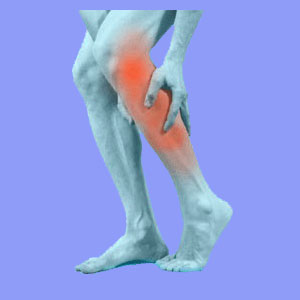
A sciatica muscle spasm is the most painful of all back and leg pain symptoms. Spasms occur when a muscle contracts violently and uncontrollably, ever tightening in a vice-like grip of shear agony. Once a patient experiences severe muscle spasms, they are forever frightened of a recurrence and this fear often actually contributes to a repeat performance of the dreaded muscular contraction episode.
This discussion centers on exploring muscular spasms and cramping associated with sciatic nerve issues. We will look into the causes of muscle cramps, as well as detail some misconceptions about why they truly occur.
What is a Sciatica Muscle Spasm?
Muscle spasms describe a scenario of involuntary movement and contraction. Some can be disturbing, but not overly painful, but most are excruciating, feeling as if the muscle will tear itself apart. A spasm generally occurs when the muscle is injured and not functioning properly or when it is deprived of proper circulation. Sciatica patients can experience muscle spasms in their lower back, buttocks, legs or feet.
Back spasms are by far the worst, since they completely debilitate the patient. It is virtually impossible to even move when being victimized by a powerful lower back contraction. Spasms in the legs or feet are equally troubling, but slightly less disabling and are very much like a charlie horse one might experience from running.

Diagnosis of Muscle Spasms
Muscle spasms are associated with a wide range of dorsalgia syndromes. Many doctors theorize about what causes muscular spasms in their affected patients, although few will commit to a concrete answer. Muscular injury is definitely one source behind painful spasming contractions, but what about patients who have been diagnosed with a herniated disc or degenerative disc disease as their main source of pain? What about patients with spinal stenosis or osteoarthritis? How do spasms occur in these poor souls?
It is possible for some specific types of nerve innervation issues to cause sciatica muscle spasms, but these events are not commonplace.
In a great number of patients, the answer to these questions lies in the main problem facing the back pain industry in general, and specifically, the medical treatment of sciatica: misdiagnosis.
Sciatica Muscle Spasm Torment
The most common and logical reason for a muscle to go into spasm, unless there is an obvious fresh injury and inflammation, is simple ischemia. Oxygen deprivation is the source of muscular spasms caused by many events, from overexertion to endurance sports to growing pains to cramps experienced while reclining in bed. Ischemia is also the direct source of some radicular pain syndromes and a variety of back and neck pain conditions, as well.
Oxygen deprivation sciatica is not normally correctly identified, since it may be enacted by a disease, circulatory issue or may even be closely linked to the psychosomatic process. In cases where mindbody ischemia is responsible for causing the entire sciatica expression, or even just a part of it, such as the recurrent spasms, patients are rarely correctly diagnosed and therefore almost never find effective treatment.
Ischemia conditions enacted by bodily concerns will usually be successfully diagnosed and treated, although this may take some time and consultation with several doctors in order to accomplish.
It should also be noted that some rare instances of muscular spasms have been associated with muscle imbalances, such as those which may occur in the upper leg.
Other cramping conditions may be present in sciatica sufferers, but are actually caused by localized nerve dysfunction, enacted by a disease process, such as diabetes, or a traumatic regional injury.

Sciatica Spasm Overview
I know that muscle spasms are torturous. I experienced them so many times during my decades of back pain hell. I recall 2 specific instances when my lumbar muscular spasms were so great that they scarred me to the very core. When I close my eyes and think back, I can still feel that pain grinding in my teeth, impaling my heart and tearing through my very soul. I could not go through that again.
Luckily, my more recent muscular spasms have all been basically non-painful, or at least, not debilitating. I used to get regular cramping in my left foot, particular when my legs are elevated. I also had times when I suffered disturbing spasms in particular areas of my abdominals. I had episodes of spasm under my left ear and under my left eye in recent years. None of these were too bad to endure, not compared to the types of acute flareups I had years ago. All these spasms have ended, now that my pain is gone.
If you are sick and tired of being a whipping post for your back pain, sciatica pain and muscular spasms, it may be time you considered the possibility that your pain may have an ischemic component. Be sure to understand that ischemia is the driving force behind many chronic pain conditions, regardless of where they occur in the body. It is also the logical explanation for why medicine has been impotent in the face of back pain and demonstrates such abysmal curative statistics for most long lasting pain conditions. Ischemia is, after all, the most logical source of spasms anywhere in the body. You can learn more by looking up ischemia using the site search feature in the right column.