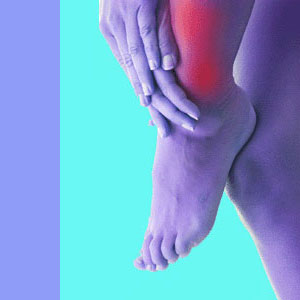
Sciatica shin pain can affect patients in the direct front of the shin, the inner aspect of the frontal shin or the outer aspect of the frontal shin. Wherever the pain may be, it is sometimes accompanied by a variety of other lower body sciatica symptoms, including regional pain, tingling, numbness and weakness in one or both legs and/or feet. Shin pain is not known to be the worst of the many symptomatic expressions, but it can still be a real limiting factor when trying to live a full and active life.
This article will cover shin pain and its possible relationship to sciatic nerve concerns. We will also look at localized causes of shin pain in cases where true sciatica does not exist or exists circumstantially.
Mindbody Sciatica Shin Pain
In the many letters you send to us, I recognize that the majority of you with mindbody sciatica pain in the shins fall into one of 2 possible categories.
The first are serious runners who are often impaired from performing up to their ability by this chronic leg pain. Although structural diagnoses are common, and might include shin splints and a variety of soft tissue disorders, statistics cite that many are actually psychosomatic pain syndromes enacted through regional ischemia. Runners, in general, are very prone to these mindbody conditions.
The second category of mindbody shin pain sufferers typically includes people who stand as part of their jobs, often in one place for many hours. Once again, structural issues can create pain which may or may not be related to standing.

However, given the application of knowledge therapy to route out the often work-related emotional issues at the real heart of the pain, the symptoms usually completely resolve.
Shin Pain Explanations
We must also discuss the purely anatomical reasons why shin pain may exist, both in relation with sciatica and in the absence of a greater and farther ranging pain syndrome.
The lower leg can be injured and may suffer pain as a result of any trauma. These types of conditions are rarely associated with sciatica and should be treated by a specialist in sports medicine or physical therapy. This includes cases of actual and verified symptomatic shin splints, hairline fractures and repetitive stress problems.
Sciatica shin symptoms are usually diagnostically linked to a herniated disc or arthritic osteophyte in the lumbar spine. In other cases, the source process may be spondylolisthesis or an atypical spinal curvature. Regardless, the actual mechanism for symptoms will be one or more pinched nerve roots which eventually go on to form the sciatic nerve. These compressive neuropathy issues can occur at L4, L5, S1, S2 or S3.
There is also the possibility that central spinal stenosis is sourcing a diversity of lower body pain conditions, even if the canal narrowing resides in the neck or upper back. These symptoms might include shin pain, but are usually far ranging and can also be composed of incontinence, foot drop, paresthesia and other dire neurological expressions.
Finally, piriformis compression of the sciatic nerve, after it is fully formed, is a possible explanation for chronic shin pain syndromes.

Sciatica Shin Pain Advice
Sciatica is a very diverse pain syndrome which can strike almost anywhere in the lower body. It is known to be fierce, stubborn and treatment-resistant, but most patients do not understand exactly why. This is precisely the reason it is so critical to take an active role in your own care and research your diagnosis thoroughly. Simply being led around through several therapy options is a recipe for disaster in the back pain industry, since curative statistics are terrible and many patients never find a real sense of relief from their torturous pain.
If your shin pain continues despite targeted care, make sure that you really focus on the validity of the diagnostic theory. I can assure you that in most cases, this is where the real problem lies.