
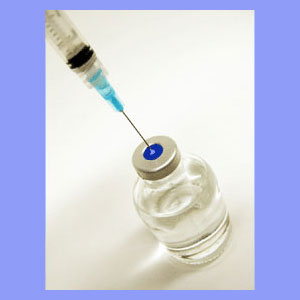
A sciatica steroid injection is one of the most common varieties of epidural injection used for back and leg pain conditions, as well as many other dorsopathy complaints. This type of injection is typically called a cortisone injection by laymen. Steroids have long been a part of medical back pain therapy, both in oral and injectable forms. Steroids are used primarily as a means of reducing inflammation and are combined with other substances to elicit pain relief and flushing of potentially pain inducing substances in the body.
This article will provide some facts about the potential benefits and risks of cortisone injections and other forms of steroid therapy.
What is a Sciatica Steroid Injection?
Epidural cortisone injections for sciatica are a very common moderate treatment option which is actually a very minor form of surgery. In this procedure, a needle is placed into the epidural compartment which surrounds the spine and one or more substances are injected to relieve pain.
In the case of steroid injections, the most commonly used substances include some form of cortisteroid including: methylprednisolone acetate, triamcinolone acetonide, kenalog, celestone and dexamethasone, but others are generally available.

Spinal Steroid Injection Facts
Steroids are used to fight inflammation and speed healing. For injuries, this treatment may be a good idea, but for most back pain scenarios, I always ask, where is the inflammation? As Dr. Sarno has pointed out time and time again, there is rarely evidence of any inflammatory process in the majority of chronic pain complaints. Even in cases where inflammation exists, steroids are not a very good option, since they are often completely ineffectual or only provide short term benefits, sometimes only due to the placebo effect.
Steroids might be better indicated for chemical radiculitis cases, but even this diagnosis is highly controversial.
Personally, I feel the majority of benefit derived from steroid epidurals comes from the local anesthetic, such as Lidocaine, which is typically a part of the pharmaceutical cocktail.
Sciatica Steroid Injection Factsheet
Epidural steroid injections can only function as symptomatic treatment and will not cure anything. The only exception to this rule is when chemical radiculitis does actually source the pain and is effectively washed away by the procedure, although this probably could be accomplished with saline alone.
There are risks which are often described by care providers as rare, but my experience tells me otherwise. Many patients endure one or more complications from their epidurals including, spinal fluid leak, escalation of sciatica symptoms and nerve injury.
Far more common is the possibility that the injection does no good at all, or more likely, that complete or partial relief is provided for only a few days and then the pain returns full force. Some patients are lucky and have good results for a few weeks to a few months.
The likelihood of suffering complications is definitely reduced by getting injected by an experienced surgeon who uses fluoroscopy, not by a general doctor, orthopedist or neurologist.