
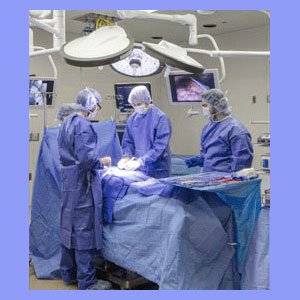
Radiofrequency lesioning for sciatica is a symptomatic surgical procedure which is sometimes used in place of pharmaceutical nerve block epidural injections. The RFL technique is typically performed in the doctor’s office and takes about half an hour to complete. After it is finished, the patient is free to go home and will hopefully feel some relief from their sciatica pain.
It must be understood that although radiofrequency lesioning can be highly effective for indicated pain syndromes, it will never resolve the actual underlying source of symptoms. It will only prevent the pain from registering in the brain.
This essay will detail the popular surgical pain management procedure called radiofrequency nerve ablation.
Radiofrequency Lesioning Explained
RFL is indicated when advanced neurological testing has pinpointed the origin of symptoms as coming from a particular nerve or set of nerves. Instead of determining why these nerves are symptomatic, the doctor instead uses radiofrequency lesioning to treat the pain and leave the underlying causative condition unchanged. This symptomatic approach might be considered for many reasons, but is typical for patients who demonstrate idiopathic radicular pain syndromes without an obvious spinal source.
During radiofrequency lesioning, the doctor uses a small electrode, placed in a long thin needle, to reach the nerve which is signaling pain. This is usually accomplished using live x-ray equipment to detail the treatment region more accurately.
Once the electrode is close enough to the target, an electric current will be sent out into the painful nerve, disrupting its signaling ability. Being that nerve signals are electric in nature, the current from the electrode scrambles the messages, making them incoherent to the brain.

Radiofrequency Lesioning for Sciatica Problems
Besides the small risks inherent to this procedure, including infection, spinal fluid leak or a permanently damaged nerve, the treatment has one major flaw: It is symptomatic sciatica surgery. This procedure does not do anything to cure the condition causing the pain and worse yet, produces temporary results.
Generally, first round treatment of radiofrequency lesioning lasts from 4 to 12 months. Subsequent rounds might only last half that time or even less.
The technique is not effective for every patient and some individuals see no relief at all. Even in the best case scenario, the patient is once again bound into an ongoing treatment regimen, which will need to be maintained long-term.
Radiofrequency Lesioning for Sciatica Factsheet
I am not a big fan of symptomatic treatment or spinal surgery, no matter how minimally invasive it may be.
RFL is a good option for people who are in agony and simply need some temporary relief while searching for a true cure. It is also an acceptable option for patients with extremely rare incurable chronic pain conditions, purely for humanitarian purposes.
If you are going to try radiofrequency lesioning, make sure your doctor uses fluoroscopy to maximize the accuracy of the treatment. Without this live x-ray, this already sketchy procedure becomes a literal shot in the dark.
Sciatica > Sciatica Surgery > Radiofrequency Lesioning for Sciatica