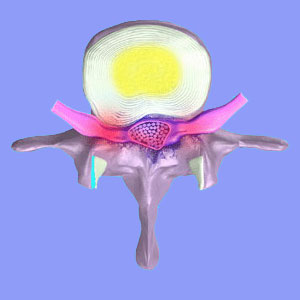
Sciatica from a herniated disc is statistically the most common diagnostic explanation for chronic back and leg pain symptoms. Herniated discs are also the most common spinal abnormality and are blamed for causing a variety of back pain concerns relating to spinal stenosis, foraminal stenosis, discogenic pain and even chemical radiculitis.
Intervertebral herniations, bulges, ruptures and extrusions are the most misunderstood of all spinal irregularities. They inspire fear, but their terrifying reputations are largely undeserved. Accepted and proven clinical research studies have shown no direct correlation between the occurrence of disc abnormalities and the incidence of lasting back, neck or sciatica symptoms.
This important article will investigate the link between problematic herniations and the set of symptoms known as sciatica. We will also provide a balanced view supporting the simple fact that most herniations are not the source of any pain whatsoever.
Diagnosis of Disc-Related Sciatica
Most patients are devastated to learn that they have a herniated disc. The nocebo effect imparted by this diagnosis is extreme, yet the facts relating to disc herniations are not generally common knowledge. Instead, the medical mythologies surrounding herniated discs have taken control of the public perception of this mostly asymptomatic spinal irregularity.
Doctors and complementary therapists have elevated disc pain to a catastrophic condition, when most herniations do not produce any pain or suffering at all. Even symptomatic disc conditions generally resolve in a matter of weeks and are certainly not typically the source of chronic back or neck pain. Sciatica is just one possible symptom of a herniated disc. Learn everything about bulging and degenerated spinal discs on Herniated-Disc-Pain.Org.

Treatment for Sciatica from a Herniated Disc
Once a patient is diagnosed, they will generally be placed into a treatment program which assumes the disc is directly responsible for the pain, even though this suspicion is often incorrect. The horrific curative statistics offered by most disc therapy options are certainly proof positive that the traditional medical management of herniated discs is both illogical and uninformed.
It is no surprise that these treatments most often fail, since they are trying to cure pain which is being blamed on a completely innocent and coincidental spinal condition. Meanwhile, all along, the real source of sciatica symptoms remains undiscovered and continues to create pain and suffering from years to come.
It is absolutely vital to know how herniations can cause sciatica and how they can not. In order for a herniated disc to cause any pain, it must definitively influence a nerve structure through compression or chemical irritation. Discs which do not demonstrate these verifiable pathological components will virtually always be coincidental to any symptoms which do express themselves.
Herniations must enact complete foraminal stenosis, complete spinal stenosis or definitive chemical radiculitis in order to stand any chance of causing sciatica. In all other cases, the disc herniation should be considered an unimportant and unrelated diagnostic finding.
Sciatica from a Herniated Disc Summation
Some herniated discs can indeed cause severe pain and possibly even long enduring symptoms. However, these cases are rare and definitely provide no doubt as to the structural nature of the pain. The vast majority of diagnosed sciatica syndromes blamed on a herniated disc turn out to be misidentified structural or nonstructural pain syndromes.

Another spinal source may be the true reason for the pain, as may a regional process, such as ischemia. Regardless, the theory of disc-enacted pain is wrong, which helps explain why so many of these pain syndromes are so treatment resistant. The plethora of treatments offered to aid a herniated disc will do nothing at all to cure oxygen deprivation, especially if this process is enacted by a psychosomatic causation. Likewise, it will not help other common sources of sciatica which occur with a coincidental herniation, but are actually caused by diabetes, short leg syndrome, piriformis syndrome or local nerve dysfunction.
If you have been diagnosed with sciatica from a herniated disc, be very cautious about how you proceed with treatment. If a variety of conservative options fail you, do not expect that surgical interventions will fair much better.
Sciatica surgery is very risky and can create real structural damage where none existed before. My advice is to exhaust all conservative measures first and be sure to learn about alternative care methods to surgery, such as knowledge therapy, before even giving any thought to a spinal operation.