
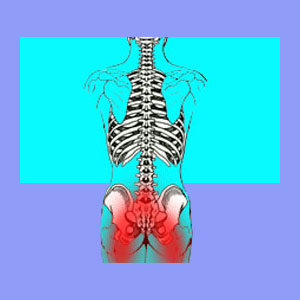
Sciatica in children is not a common problem, but some unfortunate youngsters are exposed to this terrible pain prematurely in life due to congenital or early developmental issues, injury or some disease process.
The condition known as growing pains can often be very similar to sciatica in its symptomatic expression. This has led many back pain experts, such as Dr. John Sarno, to comment on the possible relationship between growing pains and the same psychoemotional issues which are often responsible for sourcing adult versions of mindbody sciatica.
Of course, in rare cases, sciatica in youngsters may also be the result of a non-spinal structural issue, as well, such as in the circumstances of juvenile piriformis syndrome.
This article will explore the anatomical and psychological reasons why sciatic nerve pain might exist in minors. This essay is a must read for any parent whose child has been complaining of lower back or leg pain.
Ischemic Sciatica in Children
Ischemia is one of the most prevalent causes of adult sciatic nerve pain. The condition can be caused through several disease processes or may be enacted by compression or dysfunction of vascular tissue. However, ischemia is also linked to repressed and suppressed emotional issues, such as anguish, fear, worry, anxiety and pain.
Children are particularly susceptible to all of these same emotions, leading some doctors to theorize that what are known as growing pains are actually psychosomatic expressions.
There has never been a clear cut and universally accepted theory of how or why growing pains occur, so this speculation seems like it may be quite plausible. If you compare the aches, weakness and spasms of growing pains in children’s legs, they are remarkably similar to mindbody sciatica events in adult patients.

Structurally-Motivated Sciatica in Kids
Spinal and non-spinal injuries or abnormalities may also create the ideal circumstances for sciatica to exist in young people. While degeneration is not likely the source of these concerns in youthful spines, injury due to severe trauma may well be the culprit.
Children’s bodies are prone to damage, just like adults, and the same injuries which affect adult patients can also make children suffer from chronic sciatica, as well.
Children can be delicate and often do not fully understand just how much damage they can cause their bodies from basically normal play activities. Think back to when you were a child and remember how many times you hurt yourself quite severely from seemingly innocent pastimes. Statistically, children show a much better chance of throwing off an ongoing pain syndrome, regardless of the cause, compared to adults. This may be because of their young and strong bodies or possibly their young and unconditioned minds.
Never discount the possibility of a more sinister causative process in children. There is always the possibility that some disease, such as juvenile diabetes, is enacting the pain. There is also the unthinkable idea that cancer, or some other dire health concern, may be responsible. It is for these reasons that all children who complain of idiopathic lower body pain should be thoroughly screened to be sure they are free from severe health threats.
Sciatica in Children Advisory
If your child has been injured and seems to have lingering effects, make sure that they get the best of care from a qualified neurologist. If no substantial injury has occurred, and the pain just came on without reason, there is a good chance that ischemia may be part of the symptomatic profile, if no other serious health issues exist.
If an exam turns up no evidence of a structural problem in the spine or lower anatomy, oxygen deprivation may be a thought to consider as the true source of pain.
In these cases, it is recommended that parents research and understand the knowledge therapy process to help their children overcome the lesser considered mindbody reasons which might just explain their sudden sciatica.