
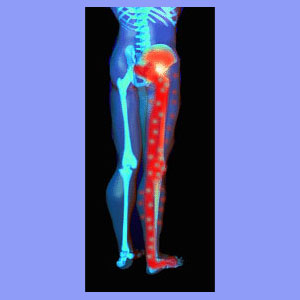
Sciatica tingling is one of the most common neurological symptoms and is often present along with pain, numbness or weakness. Tingling describes the feeling of pins and needles or small electric shocks. Although not inherently painful, tingling is disconcerting and unpleasant. Tingling may lead to worse sciatica expressions over time.
This essay will detail the meaning of tingling in relation to a sciatica condition. We will explore the various locations where tingling might occur, as well as the potential causes of pins and needles.
Diagnosis of Sciatica Tingling
One of the most common types of tingling symptoms is often diagnosed as sciatica paresthesia. This condition is a chronic combination of pins, needles and numbness all experienced together in the legs, feet or saddle region. In sciatica patients, tingling is most commonly felt in the buttocks, legs, including the outer thighs, knees, calves, ankles or feet. However, it can also be experienced generally anywhere in the lower body region.
Most of the time, tingling is blamed on some spinal structure compressing one of the lower lumbar nerve roots which eventually make up the sciatic nerve. This is certainly possible, but is not the only process which can enact pins and needles and other sciatica sufferings.
The most common diagnoses used to explain neurological compression include spinal stenosis or foraminal stenosis. These processes may occur in the lower back and affect the cauda equina within the central or foraminal canals. However, spinal stenosis can also enact similar symptoms, as well, even when it resides in the neck or thoracic region.

In cases where a single pinched nerve is blamed for chronic tingling, patients are advised to be very wary. A truly compressed nerve structure will eventually stop signaling distress altogether. The resulting condition will be one of objective numbness, not ongoing tingling or pain. However, if the nerve is only partially compressed, then this may explain a nonstandard symptomatic pattern in some patients.
Besides these spinal issues, the piriformis muscle can constrict the fully formed sciatic nerve deep inside the anatomy of the buttocks, causing tingling anywhere below the compressed nerve. Read more about saddle paresthesia, a potentially very serious symptom set that is usually enacted by cauda equina syndrome or extreme cervical spinal stenosis. Additionally, there are other nonstructural processes which can also enact pins and needles in the legs or feet, which will be detailed in the section below.
Nonstructural Sciatica Tingling
Tingling may also be the result of decreased oxygenation to an anatomical region. This is demonstrated when you sleep in a strange position or sit in one place for too long. This static posture cuts off the supply of blood to a given body part, causing it to lose all feeling.
The immediate result is numbness, followed by that familiar pins and needles sensation as the nerve tissue is reawakened by the resumed circulation provided by movement. This is exactly the process which affects the sciatic nerve when blood flow is reduced even a slight amount.
Ischemia of the sciatic nerve will cause pain, tingling, numbness or weakness depending on the duration and severity of oxygen deprivation. However, this process does not have to be structurally-induced or due to anatomical position, but instead can also be a purposeful and regulated process of the subconscious mind.
There is no doubt that psychogenic sciatica pain is a common occurrence, which also explains why most medical treatments offer such poor curative results. After all, they are targeting a suspected structural cause, while all along, the actual symptoms are being created by a psychoemotional process.
Besides ischemia, other nonstructural causes of sciatica tingling may include general systemic or localized neuropathy conditions, such as those created by diabetes. Some diseases processes can also enact widespread pins and needles. Finally, some circulatory disorders may source identical symptoms in many patients.
Sciatica Tingling Experiences
I know that sciatica tingling is highly upsetting, especially when it affects large regions of the lower body. Remember, most patients have tingling in several areas, which may rule out some singular spinal causations.

This symptomatic diversity makes the theory of many suspected anatomical causes null and void. However, this logic does not permeate very deeply into the unenlightened back pain industry, since care providers continue to misdiagnose patients by blaming sciatica symptoms on mostly innocent and coincidental spinal scapegoat conditions every day.
In summary, in order to best diagnose the source of buttocks, leg or foot tingling correctly, remember to consult with your neurologist. Be sure they test for diabetes and circulatory disorders, as well as complete nerve conduction studies for the affected areas. Once all the results are in, you will be on your way to successful treatment, as long as an accurate diagnosis can be made.